
Chess Legends
From Morphy's opera box to Carlsen's record rating — the players who defined each era of the game. Original biographies written for TeachingChess.
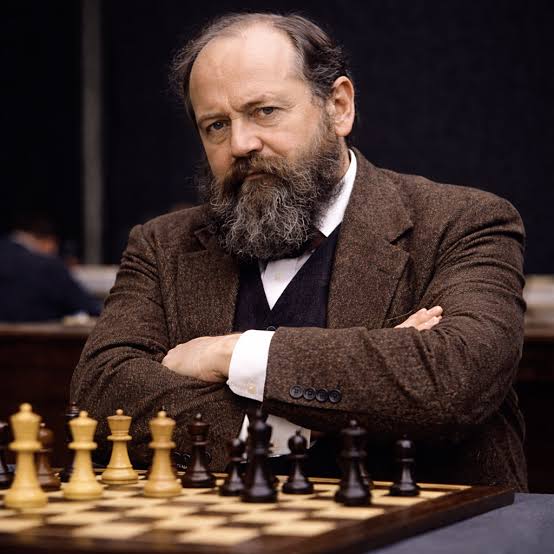
Wilhelm Steinitz
1836–1900 · Austria / USA
The first official world champion (1886) and the father of positional chess. Steinitz replaced the era's romantic all-out attacks with principles that still anchor every curriculum: accumulate small advantages, attack only when the position justifies it, and defend with confidence. He held the crown for eight years and reshaped how the game is understood more than any theorist before or since.
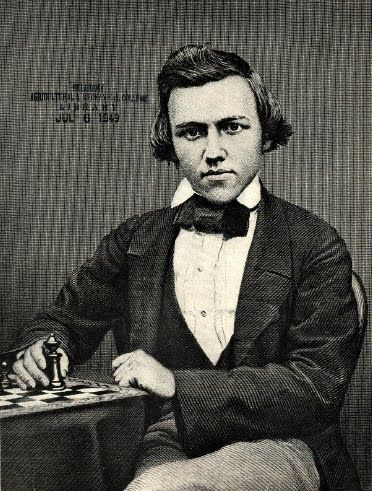
Paul Morphy
1837–1884 · USA
The 'pride and sorrow of chess' dominated every rival of his era. Touring Europe in 1858–59, the young New Orleans lawyer crushed the continent's best, playing with a clarity of development and open lines that was decades ahead of its time. His Opera Game — a miniature played in a Paris theatre box — remains perhaps the most quoted teaching game in history. He retired from serious play before turning twenty-five, leaving a legend built on barely two years of competition.
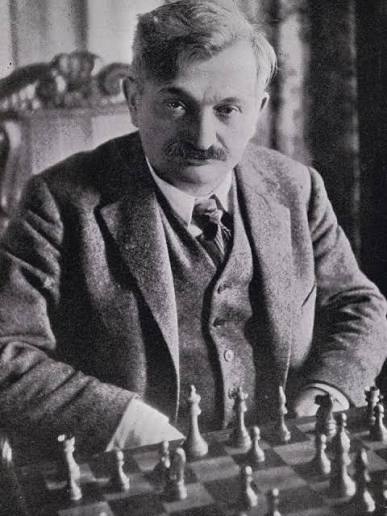
Emanuel Lasker
1868–1941 · Germany
World champion for a record twenty-seven years (1894–1921). A doctor of mathematics and friend of Einstein, Lasker treated chess as a struggle between imperfect humans, deliberately steering games into positions his opponents found uncomfortable. His resilience in bad positions and psychological pragmatism made him nearly unbeatable in matches for a generation.
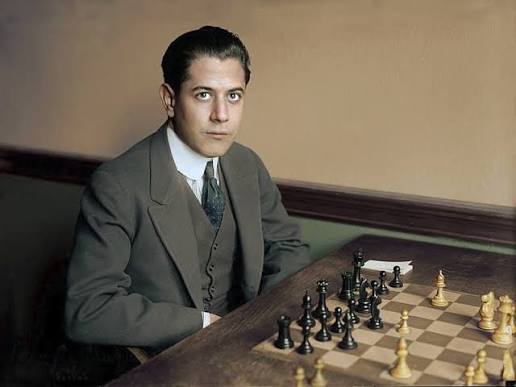
José Raúl Capablanca
1888–1942 · Cuba
The 'Chess Machine' from Havana lost only a handful of serious games in his prime and went eight years without a single defeat. World champion 1921–1927, Capablanca played endgames with such effortless precision that his technique is still the model students are told to study first. His style: simplicity, clarity, and an almost supernatural feel for the right square.
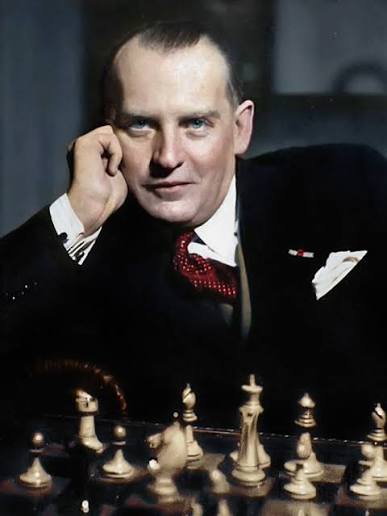
Alexander Alekhine
1892–1946 · Russia / France
World champion 1927–1935 and 1937–1946, Alekhine was a combinational genius whose attacking preparation went deeper than anyone imagined possible. He took on Capablanca — universally considered unbeatable — and won, becoming the first champion to die with the title. His games combine calculation, creativity, and an unrelenting pressure that exhausted opponents mentally as much as tactically.
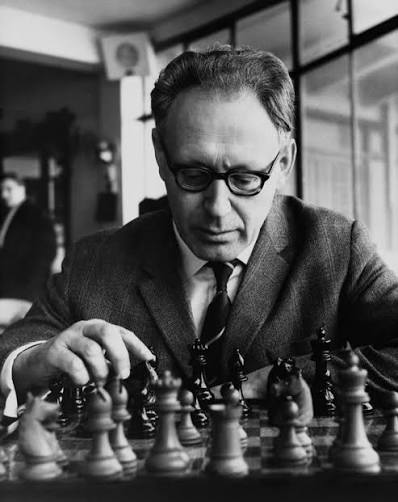
Mikhail Botvinnik
1911–1995 · USSR
Three-time world champion (1948–1963, with two interruptions) and the architect of the Soviet chess school. Botvinnik's approach was scientific: deep opening preparation, rigorous self-analysis of his own games, and a work ethic built on decades-long study plans. He trained Karpov, Kasparov, and Kramnik — three world champions who owe their preparation methods to his school.
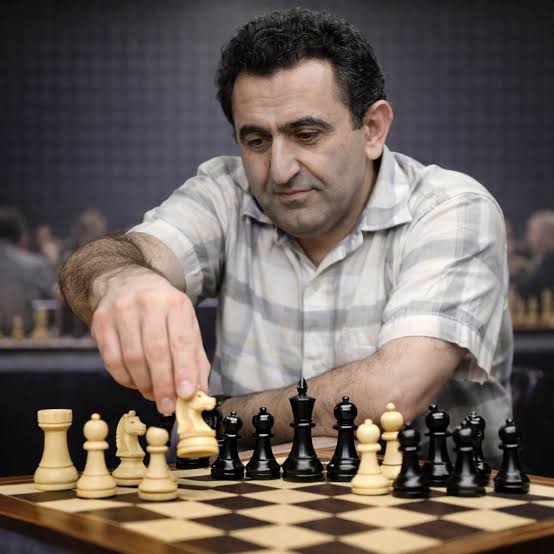
Tigran Petrosian
1929–1984 · Armenia (USSR)
'Iron Tigran', world champion 1963–1969, was the hardest player in history to defeat. A master of prophylaxis — preventing the opponent's plans before they exist — he would sense danger ten moves early and quietly dissolve it. His positional exchange sacrifices, giving up rook for bishop or knight for long-term control, became a strategic weapon every top player now studies.
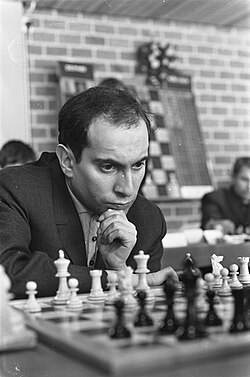
Mikhail Tal
1936–1992 · USSR (Latvia)
The 'Magician from Riga' was the most audacious attacker in the game's history. World champion 1960–61, Tal sacrificed material with an abandon that paralysed opponents — not always objectively sound, but subjectively devastating. He once said he aimed to 'take his opponent into a dark forest where 2+2=5'. His games remain the most entertaining ever played.
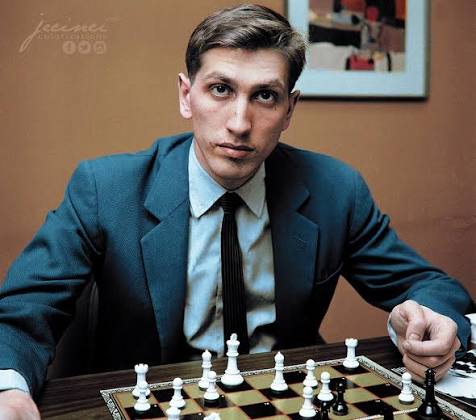
Bobby Fischer
1943–2008 · USA
The most celebrated chess prodigy of the twentieth century and perhaps the most naturally gifted player in history. Fischer became US champion at fourteen and won the 1972 World Championship — against Spassky, in the full glare of the Cold War — with a combination of tactical brilliance and clinical positional understanding that still astonishes. His 20-game winning streak in 1970–71 Candidates play has never been remotely approached.
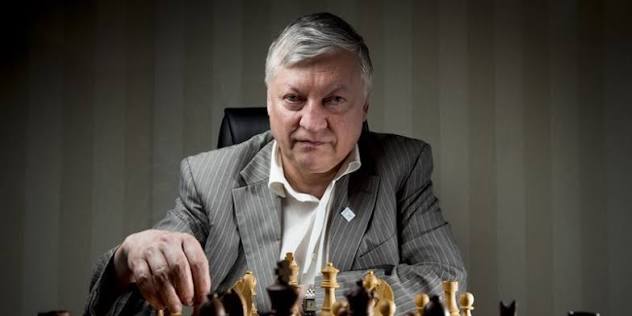
Anatoly Karpov
1951 – · USSR / Russia
World champion 1975–1985, Karpov won the title without playing Fischer — who forfeited — and then proved it over a decade of dominance. His style is the ultimate expression of quiet positional pressure: slowly improving every piece, restricting the opponent's options, and converting tiny advantages with clinical precision. He won more tournaments than any player in history.
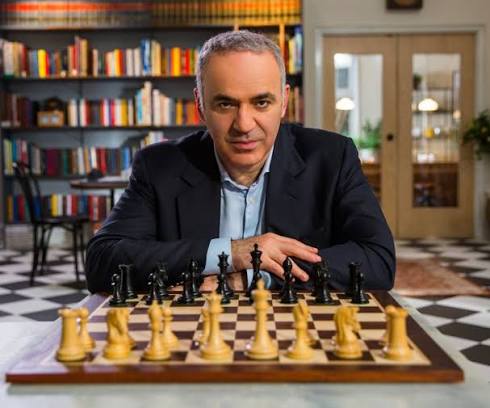
Garry Kasparov
1963 – · USSR / Russia
World champion 1985–2000 and widely considered the greatest player of all time. Kasparov combined Karpov's positional depth with Fischer's dynamism and an intensity at the board that no opponent ever found comfortable. He held the world number-one ranking for a record 255 months. His 1997 loss to IBM's Deep Blue — the first time a champion fell to a machine — marked a turning point for the sport's relationship with technology.
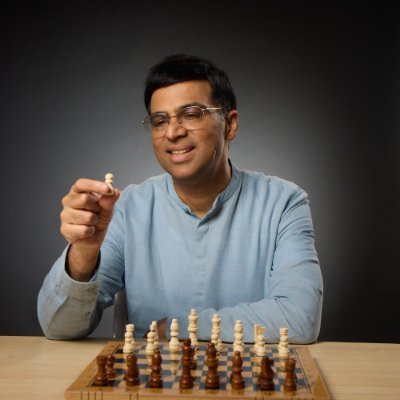
Viswanathan Anand
1969 – · India
Five-time world champion (1995–2014 across multiple formats) and the first player from Asia to hold the undisputed title. 'Vishy' Anand is known for his lightning speed of calculation, his encyclopaedic opening knowledge, and his ability to reinvent his style across four decades — first as a speed prodigy, then as a deep preparator, then as an elder statesman still capable of defeating anyone on a given day.
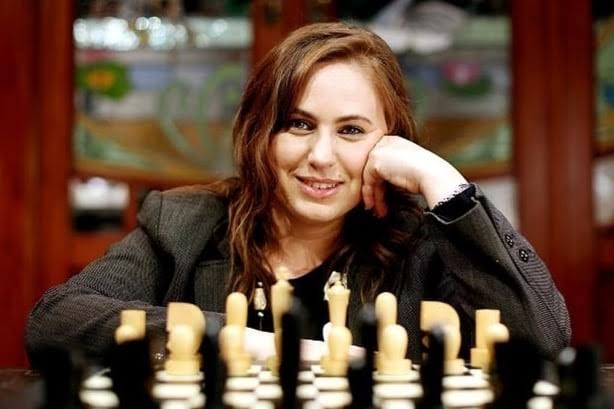
Judit Polgár
1976 – · Hungary
The strongest female chess player in history — and the only one to reach the world top ten among men. Trained from early childhood by her father alongside her two sisters, Judit became a grandmaster at fifteen (breaking Fischer's record) and defeated Kasparov, Karpov, Anand, and Carlsen during her career. Her existence disproved every claim that women could not compete at the highest level.
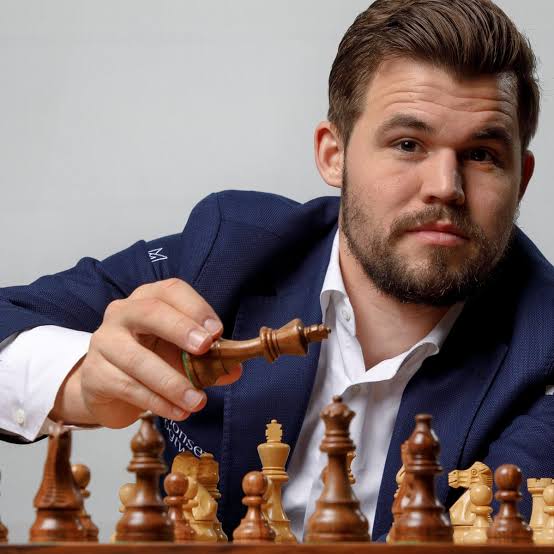
Magnus Carlsen
1990 – · Norway
The highest-rated player in history (peak 2882 in 2014) and world champion 2013–2023. Carlsen plays all phases with equal brilliance but is most feared for his endgame — he converts microscopic advantages into wins by grinding opponents down over five or six hours, a technique so reliable it has been called the 'squeeze'. He voluntarily relinquished the classical world championship in 2023, remaining the undisputed best player on Earth.
Words of the Masters
What the greatest players of each era had to say about the game itself.
Chess is, above all, a fight.
Emanuel Lasker
World Champion 1894–1921
When you see a good move, look for a better one.
Emanuel Lasker
World Champion 1894–1921
To succeed in chess, you must study the endgame before everything else.
José Raúl Capablanca
World Champion 1921–1927
Chess, like love, like music, has the power to make men happy.
Siegbert Tarrasch
Leading player, 1880s–1910s
You must take your opponent into a deep dark forest where 2+2=5, and the path leading out is only wide enough for one.
Mikhail Tal
World Champion 1960–61
However hopeless the situation appears to be, there yet always exists the possibility of putting up a stubborn resistance.
Paul Keres
Perennial world-title contender
Play the opening like a book, the middle game like a magician, and the endgame like a machine.
Rudolf Spielmann
Attacking specialist, early 1900s
Sorted by birth year. Photographs provided by the site owner.
أساطير الشطرنج
من مقصورة أوبرا مورفي إلى تصنيف كارلسن القياسي — اللاعبون الذين عرّفوا كل عصر من عصور اللعبة. سير ذاتية أصلية كُتبت لـTeachingChess.
Wilhelm Steinitz
1836–1900 · النمسا / الولايات المتحدة
أول بطل عالمي رسمي (1886) وأبو الشطرنج الموضعي. استبدل شتاينيتز الهجمات الرومانسية بمبادئ لا تزال تُدرَّس: تراكم الأفضليات الصغيرة، والهجوم فقط حين يستوجبه الموقف، والدفاع بثقة. أعاد تشكيل فهم اللعبة أكثر من أي مُنَظِّر قبله أو بعده.
Paul Morphy
1837–1884 · الولايات المتحدة
«فخر الشطرنج وحزنه» هيمن على كل منافسيه في عصره. جاب أوروبا عام 1858-1859 محطمًا صفوة لاعبيها، وكانت رؤيته للتطوير والخطوط المفتوحة تسبق عصره بعقود. مباراته في الأوبرا لا تزال أكثر المباريات التعليمية المقتبسة في التاريخ. اعتزل اللعب قبل بلوغه الخامسة والعشرين، تاركًا أسطورة بُنيت على سنتين فقط من المنافسة.
Emanuel Lasker
1868–1941 · ألمانيا
بطل العالم لفترة قياسية سبعة وعشرين عامًا (1894-1921). دكتور في الرياضيات وصديق أينشتاين، عامل لاسكر الشطرنج كصراع بين بشر ناقصين، وتعمّد قيادة المباريات إلى مواقف يجد فيها خصومه أنفسهم في ضائقة. صموده في المواقف الصعبة وبراغماتيته النفسية جعلاه شبه منيع في المباريات جيلًا كاملًا.
José Raúl Capablanca
1888–1942 · كوبا
«الآلة الشطرنجية» من هافانا خسر حفنةً فحسب من المباريات الجدية في أوج قدرته، وقضى ثماني سنوات دون هزيمة واحدة. بطل العالم 1921-1927، لعب كاپابلانكا النهايات بدقة لا تكلّف فيها لدرجة أن أسلوبه لا يزال النموذج الذي يُنصح الطلاب بدراسته أولًا.
Alexander Alekhine
1892–1946 · روسيا / فرنسا
بطل العالم 1927-1935 و1937-1946، كان أليخين عبقريًا في التوليفات وعمقه التحليلي فاق ما تخيّله أحد. هزم كاپابلانكا الذي كان يُعدّ لا يُقهر، وكان أول بطل يموت حاملًا اللقب. مباريات أليخين تجمع الحساب والإبداع وضغطًا لا يهدأ يُنهك الخصوم ذهنيًا بقدر ما ينهكهم تكتيكيًا.
Mikhail Botvinnik
1911–1995 · الاتحاد السوفيتي
بطل عالم ثلاث مرات (1948-1963 بانقطاعين) ومهندس المدرسة السوفيتية للشطرنج. نهجه علمي: تحضير عميق في الافتتاحيات، وتحليل صارم لمباراته الخاصة، وأخلاقيات عمل مبنية على خطط دراسية تمتد لعقود. درّب كارپوف وكاسپاروف وكراميك — ثلاثة أبطال عالم مدينون لمدرسته في أساليب تحضيرهم.
Tigran Petrosian
1929–1984 · أرمينيا (الاتحاد السوفيتي)
«طيغران الحديد»، بطل العالم 1963-1969، كان الأصعب هزيمةً في التاريخ. أستاذ الوقاية — منع خطط الخصم قبل أن توجد — كان يشعر بالخطر قبل عشر نقلات ويذيبه هادئًا. تضحياته بالنوعية في المواقف الموضعية — تسليم رخ مقابل فيل أو حصان لقاء سيطرة طويلة الأمد — أصبحت سلاحًا استراتيجيًا يدرسه كل لاعب كبير.
Mikhail Tal
1936–1992 · الاتحاد السوفيتي (لاتفيا)
«ساحر ريغا» كان أجرأ مهاجم في تاريخ اللعبة. بطل العالم 1960-61، ضحّى بالمادة بجرأة شلّت خصومه — لم يكن ذلك دائمًا صحيحًا موضوعيًا، لكنه كان مدمّرًا ذاتيًا. قال مرةً إنه يهدف إلى «أخذ خصمه إلى غابة مظلمة حيث 2+2=5». مباراته لا تزال الأكثر إمتاعًا على الإطلاق.
Bobby Fischer
1943–2008 · الولايات المتحدة
أشهر عبقري شطرنج في القرن العشرين وربما أكثر لاعب موهوب طبيعيًا في التاريخ. أصبح بطلًا لأمريكا في الرابعة عشرة، وفاز بالبطولة العالمية 1972 — ضد سباسكي، في قلب الحرب الباردة — بمزيج من البراعة التكتيكية والفهم الموضعي الذي لا يزال يُذهل. سلسلة انتصاراته العشرين في مباريات المتحديين 1970-71 لم يقترب أحد منها بعد.
Anatoly Karpov
1951 – · الاتحاد السوفيتي / روسيا
بطل العالم 1975-1985، حصل كارپوف على اللقب دون مواجهة فيشر — الذي تنازل — ثم أثبت استحقاقه بعقد من الهيمنة. أسلوبه هو التعبير الأمثل عن الضغط الموضعي الهادئ: تحسين كل قطعة تدريجيًا، وتضييق خيارات الخصم، وتحويل الأفضليات الصغيرة بدقة إكلينيكية. فاز في بطولات أكثر من أي لاعب في التاريخ.
Garry Kasparov
1963 – · الاتحاد السوفيتي / روسيا
بطل العالم 1985-2000 ويُعدّ على نطاق واسع أعظم لاعب على الإطلاق. جمع كاسپاروف عمق كارپوف الموضعي مع ديناميكية فيشر وحدة في مواجهة الخصوم لم يجدها أحد مريحة. احتل المرتبة الأولى عالميًا قياسيًا 255 شهرًا. هزيمته عام 1997 أمام ديب بلو من IBM — أول مرة يخسر فيها بطل أمام آلة — شكّلت نقطة تحول في علاقة الرياضة بالتكنولوجيا.
Viswanathan Anand
1969 – · الهند
بطل عالم خمس مرات (1995-2014 بأشكال متعددة) وأول لاعب آسيوي يحمل اللقب غير المتنازع عليه. يُعرف «فيشي» أناند بسرعة حسابه البرقية ومعرفته الموسوعية بالافتتاحيات وقدرته على إعادة اختراع أسلوبه عبر أربعة عقود — ابتداءً كعبقري سرعة، ثم كمُعِدّ عميق، ثم كشيخ إكليل لا يزال قادرًا على هزيمة أي لاعب في يوم واحد.
Judit Polgár
1976 – · المجر
أقوى لاعبة شطرنج في التاريخ — والوحيدة التي بلغت أعلى عشرة في العالم بين الرجال. درّبها والدها منذ الطفولة المبكرة مع أختيها، وحصلت يوديت على لقب الأستاذ الكبير في الخامسة عشرة كاسرةً رقم فيشر القياسي، وهزمت كاسپاروف وكارپوف وأناند وكارلسن خلال مسيرتها. وجودها دحض كل ادعاء بأن المرأة لا تستطيع المنافسة على أعلى المستويات.
Magnus Carlsen
1990 – · النرويج
أعلى لاعب تصنيفًا في التاريخ (ذروة 2882 عام 2014) وبطل عالم 2013-2023. يلعب كارلسن كل مراحل اللعبة ببراعة متساوية لكن أكثر ما يخشاه المنافسون هو قدرته في النهايات — يحوّل أفضليات مجهرية إلى انتصارات بطحن خصومه على مدى خمس أو ست ساعات، في تقنية موثوقة لدرجة تُسمّى «العصر». تخلّى طوعًا عن بطولة العالم الكلاسيكية عام 2023، لا يزال أفضل لاعب على وجه الأرض دون منازع.
من أقوال الأساتذة
ما قاله أعظم اللاعبين في كل عصر عن اللعبة نفسها.
الشطرنج، قبل كل شيء، معركة.
إيمانويل لاسكر
بطل العالم 1894–1921
عندما ترى نقلة جيدة، ابحث عن نقلة أفضل منها.
إيمانويل لاسكر
بطل العالم 1894–1921
لتنجح في الشطرنج، عليك أن تدرس نهاية المباراة قبل كل شيء آخر.
خوسيه راؤول كابابلانكا
بطل العالم 1921–1927
الشطرنج، كالحب، كالموسيقى، له القدرة على إسعاد الناس.
زيغبرت تاراش
من كبار اللاعبين، 1880–1910
عليك أن تأخذ خصمك إلى غابة مظلمة عميقة حيث 2+2=5، والطريق للخروج منها لا يتسع إلا لواحد فقط.
ميخائيل تال
بطل العالم 1960–1961
مهما بدا الموقف ميؤوسًا منه، تبقى دائمًا إمكانية إبداء مقاومة عنيدة.
بول كيريس
منافس دائم على لقب العالم
العب الافتتاحية كأنك تقرأ كتابًا، ووسط المباراة كساحر، والنهاية كآلة.
رودولف شبيلمان
متخصص هجومي، أوائل القرن العشرين
الصور عبارة عن ظلال مصمَّمة أصلية، وليست صورًا فوتوغرافية. يمكن لمالك الموقع إضافة صور تاريخية مرخّصة لاحقًا إذا رغب.